Choosing Your Ideal Desert Safari Experience in Dubai
Understanding What a Desert Safari Involves
A Dubai desert safari is one of the most popular ways to experience the Arabian landscape. It typically combines thrilling activities like dune bashing, camel riding, and sandboarding with cultural elements such as henna painting, shisha smoking, and a barbecue dinner under the stars. However, not all safaris are the same. The right choice depends on your preferences for timing, activities, group size, and overall atmosphere.
Step 1: Decide on Morning or Evening Timing
The first major decision is whether you prefer a morning safari or an evening one. Morning safaris usually start early, around sunrise, and last a few hours. They focus on activities like dune driving and sandboarding, often without the added entertainment or meal. Evening safaris begin in the late afternoon and extend into the night, including a full dinner show with traditional dance performances. If you want a quick adventure without the evening crowds, a morning safari works well. For a more immersive cultural evening, the sunset-to-night option is better.
Step 2: Choose Between Shared and Private Experiences
Next, consider whether you want to join a group or have a private vehicle. Shared safaris are more affordable and allow you to meet other travelers. The downside is that you follow a set schedule and may spend time waiting for others. Private safaris offer flexibility in timing and pace. You can customize the route and spend more time at each stop. For families with young children or groups with specific needs, private is often the better choice. When researching options, the Classic Desert Safari official site provides clear distinctions between shared and private packages.

Step 3: Check the Dune Bashing Style
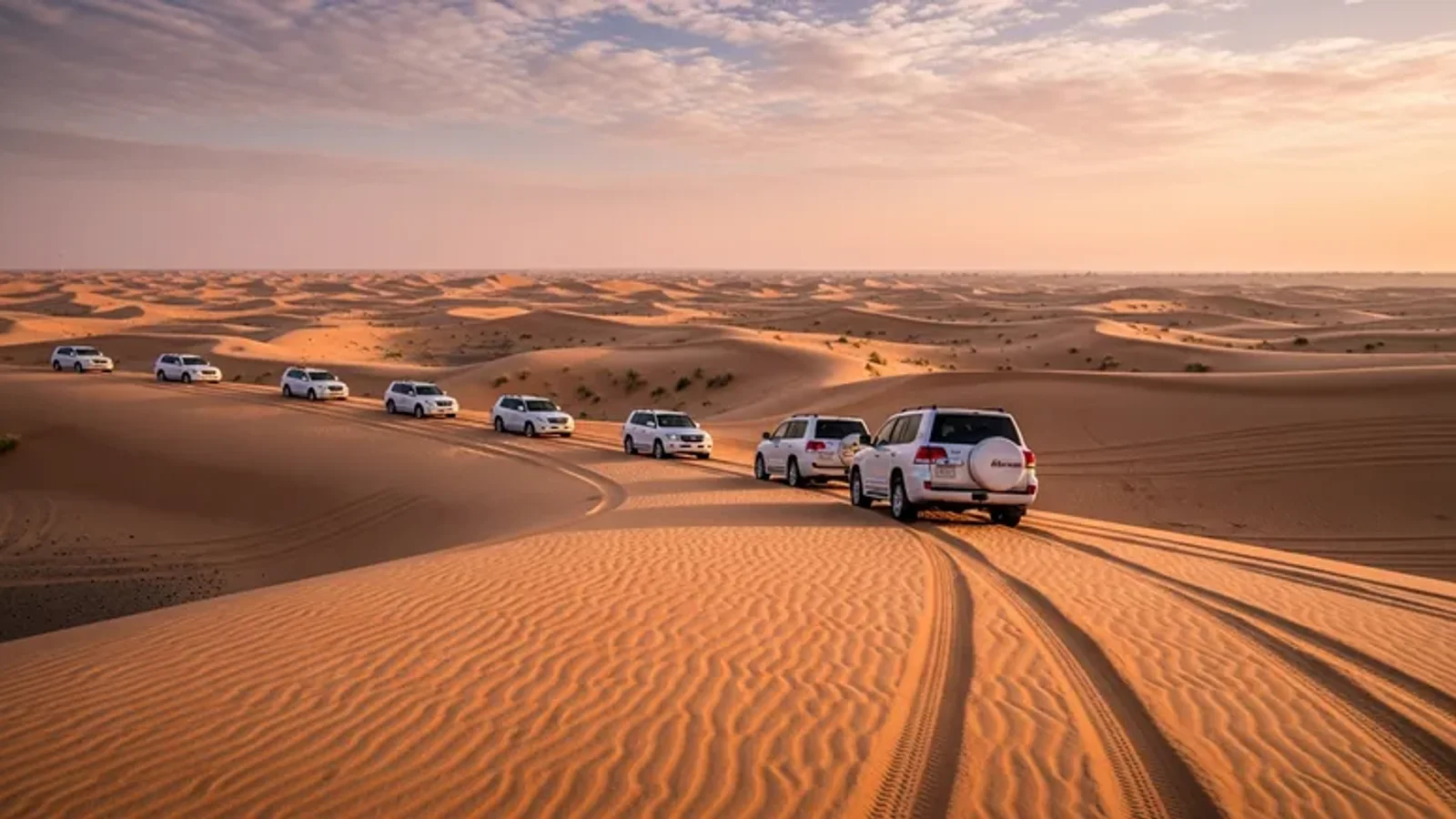
Dune bashing is the core thrill of most safaris. This involves driving over sand dunes in a 4x4 vehicle, often a modified SUV. The experience can range from mild to aggressive. Some drivers take a smooth, scenic route, while others perform steep climbs and sharp descents. If you have back problems, motion sickness, or young children, ask about the driving style beforehand. A reputable operator will let you specify a gentle ride. Also check the vehicle type - larger vehicles like Hummers or Land Cruisers offer more stability, while smaller SUVs may feel more intense. The Classic Desert Safari official site lists vehicle details for each safari option.
Step 4: Evaluate the Camp and Evening Program
For evening safaris, the desert camp quality matters greatly. Camps vary from basic setups with mats on the sand to fully furnished venues with cushioned seating and proper tables. Look for camps that offer a clean environment, separate restrooms, and shaded seating. The activities included also differ: henna painting, shisha pipes, camel rides, and sandboarding are common, but not all camps offer every activity. The evening show typically includes a Tanoura dance and a belly dance performance. Some camps also feature fire shows or falcon displays. Read the itinerary carefully to see what is included and what costs extra.
Step 5: Review the Meal Options
Dinner is a central part of the evening safari. Most camps serve a barbecue buffet with a mix of grilled meats, rice, salads, and desserts. Vegetarian and vegan options are increasingly common, but you should confirm in advance. The quality of food can vary significantly between operators. Some camps offer international buffets, while others focus on traditional Emirati dishes. If you have dietary restrictions, contact the safari company before booking. A good operator will accommodate allergies or preferences.
Step 6: Consider the Pickup and Drop-off Logistics
Safari operators typically provide pickup and drop-off from your hotel or a central meeting point. Check whether the service covers your area, especially if you are staying outside main tourist zones. Morning safaris usually have a single pickup window, while evening safaris often have a wider window to account for traffic. The return time is also important - evening safaris can end late, especially if the show runs long or the drive back is congested. If you have early morning plans, a morning safari might be more practical.
Step 7: Look at Group Size and Crowd Levels
Some camps can host hundreds of guests at once, creating a lively but noisy atmosphere. Others keep groups smaller for a more intimate experience. Think about what environment you prefer. Large camps can feel like a production line, with set meal times and limited personal attention. Smaller camps often provide better service and a more relaxed pace. Also check the maximum group size for the dune bashing vehicles. Some operators pack up to six passengers into a single SUV, which can be cramped. Others limit it to four for comfort.
Step 8: Verify Inclusions and Hidden Costs
Before booking, confirm exactly what is included in the price. Common extras include sandboarding, quad biking, camel rides, and henna. Some packages include these, others charge per activity. Similarly, drinks during dinner may be limited to water and soft drinks, with alcohol available at an extra cost. Photography services are sometimes offered for an additional fee. Read the fine print on cancellation policies and weather-related changes. Desert safaris can be canceled or modified due to sandstorms or extreme heat, so know the operator's policy.
Step 9: Read Recent Reviews, Not Just Star Ratings
Online reviews give useful insight into the actual experience. Look for recent feedback, as operators change over time. Pay attention to comments about driver behavior, camp cleanliness, food quality, and timing. A few negative reviews are normal, but patterns of complaints about safety or service should be taken seriously. Also check how the operator responds to criticism - a professional response indicates they value customer feedback. Avoid relying solely on the overall star rating; read the details to understand what worked well and what did not.
Step 10: Match the Experience to Your Interests
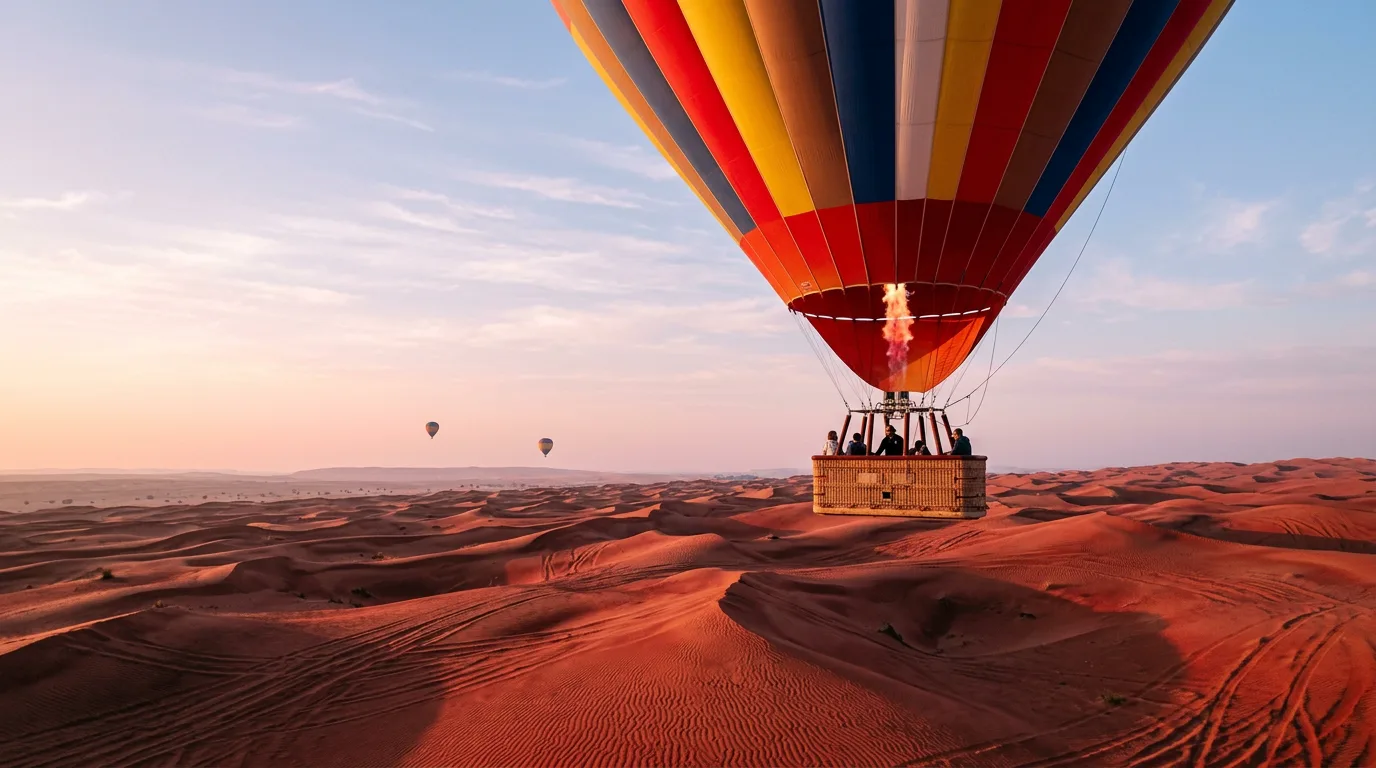
Finally, align the safari with what you truly want. If adventure is your priority, choose a safari with longer dune bashing and optional quad biking. If culture matters more, look for a camp with traditional music, dance, and food. For a romantic evening, a private or small-group safari with a quiet camp and good food might be ideal. For families with children, pick a safari that includes kid-friendly activities and a safe environment. The best safari is the one that fits your personal taste, not the most expensive or the most popular one.
Classic Desert Safari on social media
 Twitter
 Facebook
 Instagram
 YouTube
 Pinterest